Sustainable Home Decor Tips for an Eco-Friendly Home

Sustainable home decor is about making choices that are good for both your home and the planet. By choosing eco-friendly materials, upcycling, and shopping mindfully, you can create a beautiful space that aligns with your values. Here is how to get started with practical, actionable steps that reduce your environmental footprint without sacrificing style.
Key Takeaways
- Choose natural, renewable materials like bamboo, cork, wool, and organic cotton
- Upcycle and repurpose existing furniture instead of buying new
- Shop vintage and second-hand first — the most sustainable item already exists
- LED bulbs use 80% less energy and last 15-25 times longer than incandescent
1. Choose Natural and Renewable Materials

Opt for furniture and decor made from renewable resources. Bamboo, cork, rattan, and reclaimed wood are durable and environmentally friendly. Bamboo grows to harvest maturity in three to five years compared to 20 to 50 years for hardwood, making it one of the most sustainable building materials available. Look for certifications like FSC (Forest Stewardship Council) for wood products to ensure responsible forestry practices. Cork is harvested from the bark of cork oak trees without cutting them down, making it a regenerative material perfect for flooring, bulletin boards, and coasters.
Natural fiber textiles are equally important. Choose organic cotton, linen, hemp, and wool for upholstery, curtains, and bedding. Organic cotton uses 91% less water than conventional cotton and eliminates synthetic pesticides, which is better for farmworkers and local ecosystems. Hemp is even more efficient — it grows quickly in poor soil without irrigation or pesticides and produces fibers that are naturally antimicrobial and UV-resistant. Wool is biodegradable, flame-resistant, and naturally regulates temperature, making it an ideal material for area rugs and throws. When shopping for natural fiber products, check for OEKO-TEX or GOTS (Global Organic Textile Standard) certifications, which verify that the product meets strict environmental and social criteria throughout the supply chain. Each natural material choice is a vote for agricultural practices that regenerate rather than deplete the earth.
2. Upcycle and Repurpose

Before buying new, look at what you already own. An old ladder becomes a blanket rack — lean it against the wall and drape throws over the rungs, or hang it horizontally as a towel rack in the bathroom. Mason jars become vases, drinking glasses, or pantry storage for dried goods. A fresh coat of low-VOC paint can transform a tired piece of furniture from drab to striking. Upcycling saves money and reduces waste while giving your home a unique, curated feel that mass-produced items cannot replicate.
Take a weekend to walk through your home and see your belongings through fresh eyes. A dresser with a broken drawer can become a bathroom vanity with a vessel sink set into the top. An old wooden door with worn patina makes an instant headboard when mounted horizontally behind the bed. Wine crates stack into modular shelving. Vintage suitcases stack to form a side table with hidden storage inside. The blogosphere is filled with upcycling tutorials — search Pinterest for "furniture flip ideas" or browse Instagram accounts like @thekimsixfix for step-by-step transformation videos. The tools you need are basic: sandpaper, paintbrushes, wood glue, a drill, and a staple gun. Upcycling projects typically cost 70 to 90% less than buying equivalent new items, and the resulting piece carries a story no catalog furniture can tell. Even small upcycling projects — turning a tin can into a planter, wrapping an old lampshade with twine — build momentum and change your mindset from disposable to resourceful.
3. Shop Secondhand and Vintage

Thrift stores, flea markets, and online resale platforms like Facebook Marketplace, Craigslist, and Chairish are treasure troves for unique furniture and decor. Secondhand shopping reduces demand for new production and gives pre-loved items a second life. Plus, vintage pieces add character, superior craftsmanship, and patina that no new item can replicate. A solid wood dining table from the 1960s cost $50 at an estate sale will outlast a $500 particle-board table from a big-box store by decades.
Develop a strategy for thrifting success. Visit stores in affluent neighborhoods for higher-quality donations. Go regularly — inventory changes daily, and the best pieces sell within hours of being put out. Inspect items carefully for structural damage before purchasing; loose joints can be tightened, but water damage or wood rot is usually not worth repairing. Know your measurements — carry a tape measure and know the dimensions of the space you are filling. For upholstered furniture, look for solid frames (no plywood or particle board), coil springs rather than webbing, and stains or tears that can be hidden with a washable slipcover. Facebook Marketplace has become the largest thrift store in the world — set up saved searches for specific items like "mid-century dresser" or "vintage Persian rug" and act quickly when a match appears. Online vintage retailers like Chairish, 1stDibs, and Vinterior offer curated vintage with shipping but come with higher prices. The environmental impact of one thrifted sofa versus a new one: roughly 80% less carbon emissions, zero packaging waste from manufacturing, and one less piece of furniture headed for a landfill when its first owner decided to replace it.
4. Invest in Quality Over Quantity

Fast furniture is designed to be replaced within a few years. Instead, invest in well-made pieces that will last for decades. Solid wood, real metal, and high-quality upholstery fabrics are worth the higher upfront cost. Look for joinery techniques like dovetail drawers, mortise-and-tenon connections, and screw-and-glue construction rather than staples and cam locks. Buy fewer, better things — a single well-made sofa that costs $1,500 and lasts 20 years is cheaper per year than three $500 sofas that each last five years.
The "buy it for life" philosophy applies to every room. In the bedroom, a solid wood bed frame with a natural latex mattress (which is biodegradable and free of the flame-retardant chemicals found in polyurethane foam mattresses) will serve you for 15 to 20 years. In the kitchen, cast iron cookware, stainless steel utensils, and stoneware dishes last indefinitely and never go out of style. For textiles, 100% linen sheets soften with every wash and can last a decade, while cheap polyester blends pill and fray within a year. Learn to identify quality: a heavy cotton shower curtain with metal grommets costs more than a thin plastic liner but will not mildew and can be washed hundreds of times. When you cannot afford the highest quality, buy secondhand versions of high-quality brands rather than new versions of low-quality brands. A used Herman Miller chair is a better investment than a new generic office chair. The environmental math is simple: the most sustainable piece of furniture is the one that stays in use longest, whether through durability, repairability, or timeless style that survives changing trends.
"Sustainable home decor is about making choices that are good for both your home and the planet."
— Eco-Design Philosophy
5. Choose Low-VOC Paints and Finishes

Conventional paints release volatile organic compounds (VOCs) that are harmful to indoor air quality and the environment. VOCs continue to off-gas for years after application, contributing to headaches, respiratory issues, and indoor ozone formation. Choose low-VOC or zero-VOC paints for your walls and furniture projects. Benjamin Moore's Natura line and Sherwin-Williams' Harmony series offer zero-VOC formulas with excellent coverage and durability. Many major brands now offer eco-friendly lines at the same price as conventional paint.
Beyond paint, consider the finishes on your furniture. Conventional wood stains and polyurethanes also contain high levels of VOCs. Water-based polyurethane and natural oil finishes like tung oil, linseed oil, and beeswax provide durable, beautiful protection without toxic fumes. Milk paint, made from casein (milk protein), lime, and natural pigments, is entirely non-toxic and creates a lovely matte, chippy finish perfect for farmhouse and rustic styles. When painting, follow proper ventilation practices: open windows, use fans, and wear an N95 mask even with low-VOC products. Dispose of leftover paint properly — never pour it down the drain. Many communities have paint recycling programs through organizations like PaintCare. By choosing low-toxicity finishes, you protect your family's health, reduce groundwater contamination, and breathe easier in your own home.
6. Use Energy-Efficient Lighting
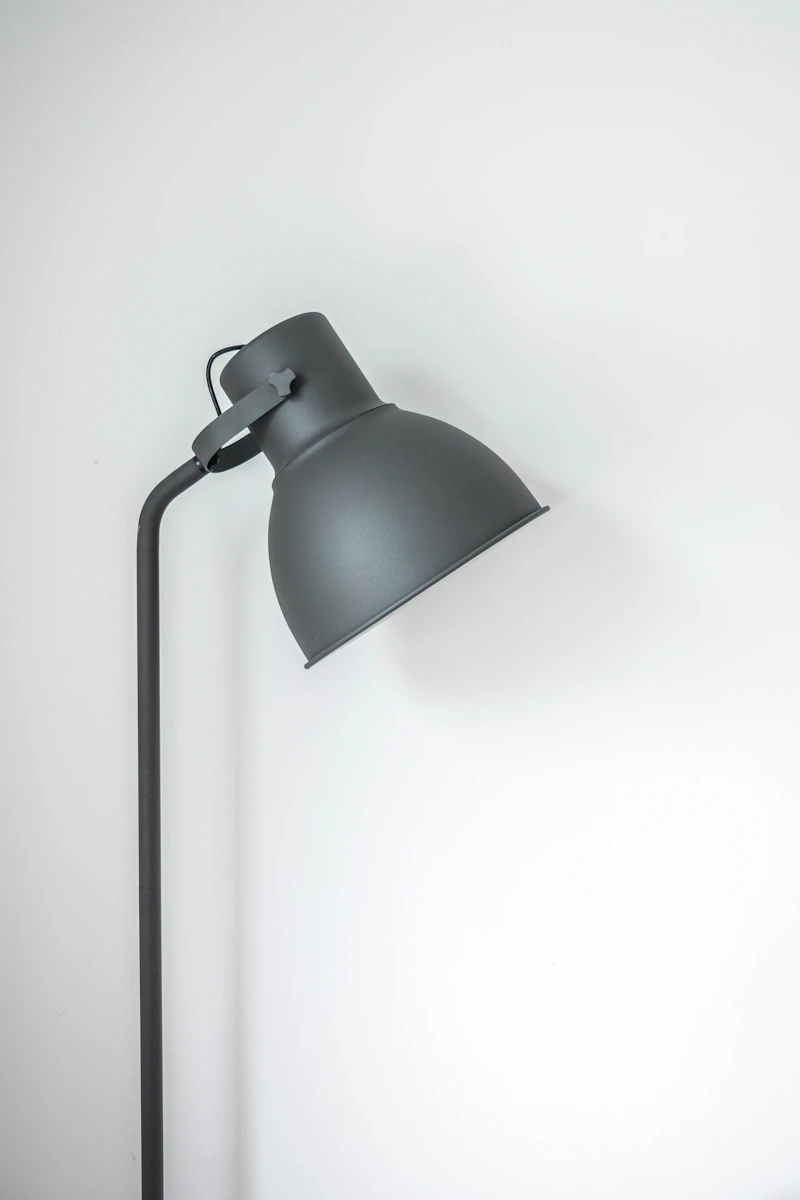
LED bulbs use up to 80% less energy than incandescent bulbs and last 15 to 25 times longer. A single LED bulb saves about $55 in electricity costs over its lifetime compared to an incandescent. Pair them with dimmer switches to reduce energy consumption further — dimming a light by 25% saves 20% of electricity and extends bulb life. Maximize natural light during the day with sheer curtains and strategic mirror placement to reflect sunlight deeper into rooms.
Take a full inventory of your home's lighting and replace every bulb with LEDs if you have not already. Look for the ENERGY STAR label on bulbs and fixtures, which guarantees efficiency and performance. Smart lighting systems let you automate lights to turn off when rooms are empty, saving additional energy. Motion-sensor lights in closets, bathrooms, and hallways eliminate the "lights left on all day" problem entirely. For outdoor lighting, solar-powered fixtures have improved dramatically — quality solar path lights from brands like URPOWER now provide 8 to 10 hours of illumination from a single day's charge. Beyond bulbs, choose light-colored lampshades that transmit more light, and clean fixtures regularly — a layer of dust can reduce light output by 20%. The lighting upgrades that save the most energy are the simplest: turn off lights when you leave a room, use task lighting instead of flooding an entire room with light, and rely on natural daylight for as many hours of the day as possible.
7. Decorate with Plants

Houseplants improve air quality, reduce stress, and add natural beauty to your home. Choose low-maintenance varieties like snake plants, pothos, or peace lilies — these species thrive in low light and survive occasional neglect, making them ideal for beginners. Propagate your plants to create new ones for free: pothos and spider plants root readily in a glass of water, while succulents produce "pups" that can be separated and potted individually. A single $10 plant can become 10 plants over the course of a year through propagation.
The biophilic design movement is rooted in research showing that indoor plants reduce cortisol levels, increase productivity by up to 15%, and improve air quality by filtering volatile organic compounds. Not all plants are equal in air-purifying ability — the NASA Clean Air Study identified areca palms, Boston ferns, rubber plants, and dracaenas as top performers. Place one plant per 100 square feet of living space for measurable air quality benefits. For small spaces, vertical gardens using wall-mounted pockets or trellises allow you to grow herbs or trailing plants without sacrificing floor space. Use sustainable pots made from terracotta (fired clay, fully biodegradable), ceramic (long-lasting and recyclable), or fiberstone (made from cement and recycled glass fibers). Avoid plastic nursery pots when possible, or reuse them indefinitely. Indoor gardening connects you to natural cycles, improves humidity in dry heated homes during winter, and brings living texture and color that no manufactured decor item can match. Plus, plants are genuinely carbon-negative — they absorb CO₂ and release oxygen as they grow.
8. Support Sustainable Brands

When you do buy new, research brands that prioritize sustainability. Look for companies using recycled materials, ethical labor practices, and carbon-neutral shipping. Your purchasing power can drive positive change by signaling demand for responsible production. Brands like West Elm (Fair Trade certified, FSC wood), IKEA (increasing use of recycled materials, "People & Planet Positive" strategy), and Avocado (GOTS-certified organic mattresses, carbon-neutral operations) are making measurable commitments to sustainability.
Dig deeper than marketing claims. True sustainability requires transparency about the full supply chain. Look for B Corporation certification, which verifies that a company meets rigorous standards of social and environmental performance, accountability, and transparency. Check whether a brand publishes annual sustainability reports with concrete data on emissions, waste reduction, and material sourcing. Smaller brands often lead the way — companies like Medley (FSC-certified wood, non-toxic finishes), VivaTerra (reclaimed materials, artisan partnerships), and Coyuchi (100% organic linen, take-back program for recycling old linens) build sustainability into every decision. Support local artisans and makers when possible to reduce shipping emissions and strengthen your local economy. Etsy is an excellent platform for finding home decor made from upcycled or sustainable materials by individual craftspeople. Ask brands questions about their practices via social media or email; when enough customers ask, companies respond. Voting with your wallet is powerful — every sustainable purchase is a step toward a home goods industry that respects planetary boundaries.
9. Reduce Textile Waste with Mindful Laundry and Care

Extending the life of your textiles is one of the most impactful sustainability practices. Wash bedding and towels in cold water with eco-friendly detergent — cold washing saves energy and prevents fading and fabric breakdown. Brands like Seventh Generation, Mrs. Meyer's, and Ecos offer plant-based detergents in recycled packaging. Air-dry linens and clothing when possible; the dryer is the most energy-intensive appliance in most homes, accounting for 6% of residential electricity use. Wool dryer balls reduce drying time by 25% and replace disposable dryer sheets entirely.
Learn basic mending skills: a missing button, a loose hem, or a small tear can be repaired in minutes with a needle and thread, extending a cushion cover or curtain's life by years. Store out-of-season textiles in cotton or linen bags rather than plastic bins to prevent moisture damage and pest issues. Rotate rug placement every six months to distribute wear evenly. Use furniture covers or throws on high-use seating to protect upholstery from pets, children, and daily wear. When textiles finally reach the end of their usable life, repurpose them as cleaning rags before discarding. This full-lifecycle approach — buying well, caring for carefully, mending promptly, and repurposing finally — ensures every textile you own reaches its maximum potential lifespan, which is the most sustainable choice of all.
Final Thoughts

Sustainable decor is a journey, not a destination. Start with small changes — a thrifted lamp, a low-VOC paint for an accent wall, a propagated plant on the windowsill — and build from there. Every mindful choice, whether it is choosing bamboo over hardwood, mending a torn cushion instead of tossing it, or walking past a fast-fashion home store toward a vintage shop, makes a difference for the planet and creates a home with genuine soul and character. When you surround yourself with objects that were chosen with care and intention, your home becomes more than a collection of things — it becomes a reflection of your values.