Maximalist Decor: A Complete Guide to Bold, Beautiful Interiors
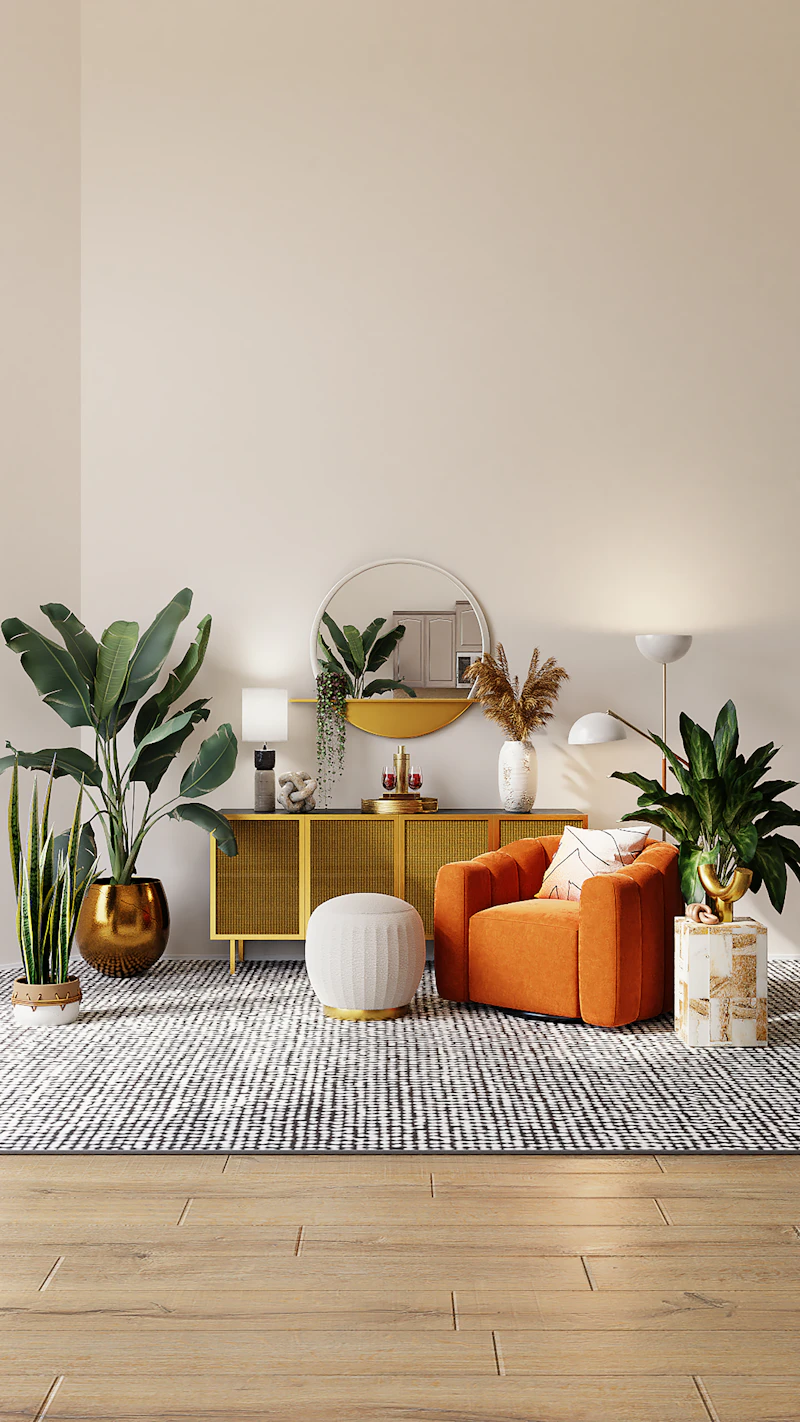
Maximalism is the art of more. It is a celebration of color, pattern, texture, and personality that stands in deliberate contrast to minimalism. If minimalism feels too restrained for you, maximalist decor might be your perfect match. But maximalism is not about clutter — it is intentional abundance. Every item in a well-executed maximalist room earns its place, chosen for its meaning, beauty, or the joy it brings. The style confidently mixes patterns, layers textures, embraces bold colors, and tells a story that is unapologetically personal. In this complete guide, we will walk you through every principle you need to embrace maximalism with confidence.
Key Takeaways
- Maximalism is intentional abundance — every item is chosen for its meaning or beauty
- Mix patterns confidently by keeping a unified color palette across different prints
- Layer textures, colors, and scales to create depth without visual chaos
- Gallery walls and collections shine when grouped thoughtfully with breathing room
What is Maximalism?

Maximalism is not about clutter — it is about intentional abundance. Every item in a maximalist space is chosen for its meaning, beauty, or joy. The style mixes patterns, layers textures, and embraces bold colors without fear. It rejects the idea that less is more and instead argues that more is more when done thoughtfully. Maximalism draws from Victorian eclecticism, Art Deco glamour, and Memphis-style playfulness. It gives you the freedom to combine a velvet sofa with a zebra rug and a crystal chandelier with a vintage arcade sign. At its core, maximalism is about self-expression — your home becomes a portrait of your personality and travels rather than a catalog page.
Start with a Bold Color Palette

Maximalist interiors thrive on rich, saturated colors. Jewel tones like emerald green, sapphire blue, amethyst purple, and ruby red are classics, but the palette extends to deep ochre, burnt orange, hot pink, and eggplant. The key is saturation — colors should be deep, rich, and confident. Pastels can work as accents against a bolder backdrop but rarely carry a room alone.
Do not be afraid to paint walls, ceilings, and woodwork in the same color for a dramatic, immersive effect. This technique, called "color drenching," makes the room feel like a jewel box. Farrow & Ball "Studio Green" and Benjamin Moore "Racoon Hollow" are excellent candidates. If that feels too intense, start with a single accent wall and layer in color through upholstery, rugs, and curtains. Use the 60-30-10 rule: one dominant color (60 percent), one secondary (30 percent), and one or two accents (10 percent). A living room with deep emerald walls, a sapphire blue velvet sofa, and accents of hot pink and gold creates harmony through consistent saturation.
Mix Patterns Like a Pro

Pattern mixing separates confident maximalists from those who simply have too many things. The secret is varying the scale. Pair a large-scale floral with a small geometric print like houndstooth or polka dot, and add a medium-scale stripe or ikat as a bridge. Different scales prevent patterns from competing — your eye moves easily between them. If all patterns are the same scale, they blur into visual noise.
Color is the unifying thread. Choose patterns sharing at least one color. A navy floral rug can anchor a room with emerald curtains, a mustard geometric pillow, and a pink ikat throw if all include touches of navy. For a foolproof start, choose a multi-colored rug and pull your other patterns from its colors. Aim for two to three patterns per room: one dominant (rug or curtains), one secondary (upholstery or pillows), and one accent (ottoman or lamp shade). If nervous, start with patterned pillows on a solid sofa against a patterned rug — the solid furniture acts as a visual buffer. Over time, layer in more patterns as your confidence grows.
Embrace Eclectic Furniture

One of the greatest joys of maximalism is mixing furniture periods and styles. A mid-century sofa can sit next to a Victorian armchair and a brutalist coffee table. The contrast creates visual excitement and tells a story of collected-over-time authenticity. Maximalist rooms feel like they have evolved naturally rather than being ordered from a single catalog.
Look for common ground in scale, color, or material to create cohesion. A Victorian armchair reupholstered in hot pink velvet bridges old and new. A walnut sideboard grounds a room of ornate gold mirrors and contemporary art. Thrift stores, estate sales, and Facebook Marketplace are gold mines for unique pieces with character. The hunt is part of the joy — a mid-century credenza from an estate sale, a Victorian settee from a flea market, and a modern sculptural lamp from a design fair create a far more interesting room than matching sets from a showroom.
"Maximalism is not about clutter — it is intentional abundance. Every item earns its place."
— Maximalist Philosophy
Gallery Walls Are Essential

If maximalism has a signature feature, it is the gallery wall. Cover your walls with art, mirrors, photographs, textiles, and objects. Mix frame styles — ornate gold, simple black, natural wood — and vary sizes and orientations. Go floor to ceiling if you have the space, treating the entire wall as a single canvas. The result is a personal, museum-like atmosphere.
Plan your layout on the floor first. Place the largest piece slightly off-center and build outward, keeping two to three inches between frames. Use paper templates on the wall before hammering nails. For renters, picture ledges allow layering without holes. Do not limit yourself to flat art — incorporate mirrors, ceramic plates, woven textiles, and vintage objects for depth. A gallery wall should grow over time. Start with a cluster of three frames above a desk and expand outward over months as you find new treasures. The most compelling gallery walls are the ones that feel organic, not perfectly planned.
Layer Textures

Maximalism is a feast for the senses, and texture makes it feel rich rather than busy. Combine velvet, silk, wool, leather, wood, metal, glass, and natural fibers like jute and rattan. Layered textures add depth and prevent a visually busy space from feeling flat. In a maximalist room, your eye should always find something new.
One signature trick is layering rugs — place a small patterned rug over a larger neutral jute or sisal one. On furniture, mix deliberately: a velvet sofa with a wool throw, silk pillows on a linen chair, a glass coffee table on a wool rug. In the bedroom, layer a chunky knit throw over a quilted duvet with velvet pillows against linen shams. Pair smooth with rough, soft with hard, matte with lustrous. The dialogue between different textures gives maximalist interiors their luxurious, layered feel. A room with texture variety is a room that feels alive.
Collections as Decor

Maximalism gives you permission to display what you collect rather than hiding it away. Books, ceramics, vinyl records, travel souvenirs, colored glass bottles — whatever you love, group it for maximum impact. The key is organization within abundance. Concentrate collections in dedicated display zones where they can be appreciated as a group rather than scattered through the room.
Floating shelves, built-in bookcases, and glass-front cabinets make excellent display platforms. For identical items, line them up in a row for pleasing rhythm. For varied collections, group by color or size — arrange bottles tallest to shortest or cluster blue ceramics separately from white. Books can be stacked horizontally, stood vertically, or arranged by color for a rainbow effect. Leave some negative space within each display so items can breathe. Rotate pieces seasonally to keep the display fresh and rediscover forgotten treasures. The most charismatic maximalist homes tell a story through collections — shells from beach vacations, ceramics from local potters, maps from places traveled. Your collections are your autobiography. Display them with pride.
Lighting for Drama
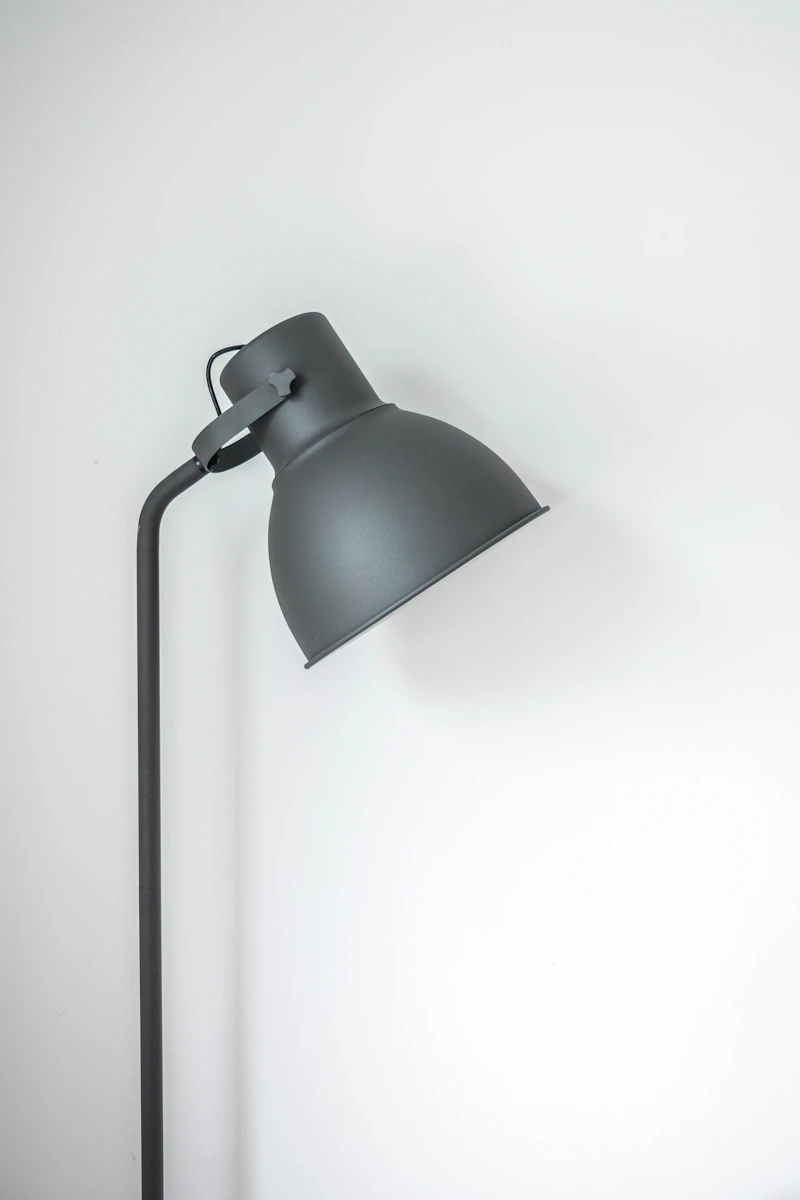
Statement lighting is essential in maximalist decor. Chandeliers, oversized pendants, sculptural floor lamps, and ornate sconces serve as functional art. Think a brass-and-crystal chandelier in the dining room, an oversized globe pendant in the living room, a colorful ceramic lamp on the nightstand. Lighting should be as bold as every other element.
Layered lighting is critical. Use at least three sources per room: ambient (overhead fixtures) for general illumination, task (reading lamps) for specific activities, and accent (picture lights, spotlights) to highlight art and collections. Install dimmers on all overhead lights to control the mood — bright for gatherings, dim for intimacy. Warm bulbs in the 2700K to 3000K range are essential; cool light makes rich colors look harsh. For dramatic effect, uplight a large plant, install picture lights above your gallery wall, or place a lamp inside a glass cabinet to illuminate objects. Clusters of candles on a mantel or dining table add flickering warmth no electric light can match. In maximalism, lighting is not an afterthought — it makes all your bold choices visible in their best possible light.
"Your home should reflect your most vibrant self, not reproduce someone else's taste."
— Design Freedom
Create a Focal Point in Every Room

Even the most exuberant maximalist room needs a focal point — a visual anchor that organizes the rest of the design. Without one, the room risks feeling chaotic. In a living room, the focal point might be a dramatic fireplace with an oversized mirror above it. In a bedroom, the bed with its statement headboard naturally serves this role. In a dining room, a sculptural chandelier commands attention. Choose one dominant element and design everything else to support it.
Arrange furniture to orient toward the focal point. In a living room with a fireplace, face the sofa and chairs toward the hearth. Layer art and objects on the mantel to reinforce its importance. In a bedroom, everything should relate to the bed — nightstands at the correct height, lighting angled toward the bed, a rug extending beyond both sides. The focal point should be the most visually weighty element: the boldest color, the largest art piece, the most dramatic lighting. If a room feels scattered, it likely lacks a clear anchor. Identify what you want people to see first when they enter, and make that element impossible to ignore. A well-designed maximalist room is exuberant but not chaotic, and a strong focal point provides that essential structure.
Final Thoughts

Maximalism is about creating a home that feels alive, personal, and joyful. There are no strict rules — trust your instincts, collect what you love, and do not be afraid of color, pattern, or scale. Your home should reflect your most vibrant self, not reproduce someone else's taste. The beauty of maximalism is that it is never truly finished. You can add, subtract, and rearrange as your life evolves. Start with one room, one wall, or even one shelf. Layer in pieces that bring you joy and edit out what does not serve the story. A maximalist home is a living document of who you are and what you love — a space that tells your story with confidence and joy.