Lighting Tips for Every Room in Your Home
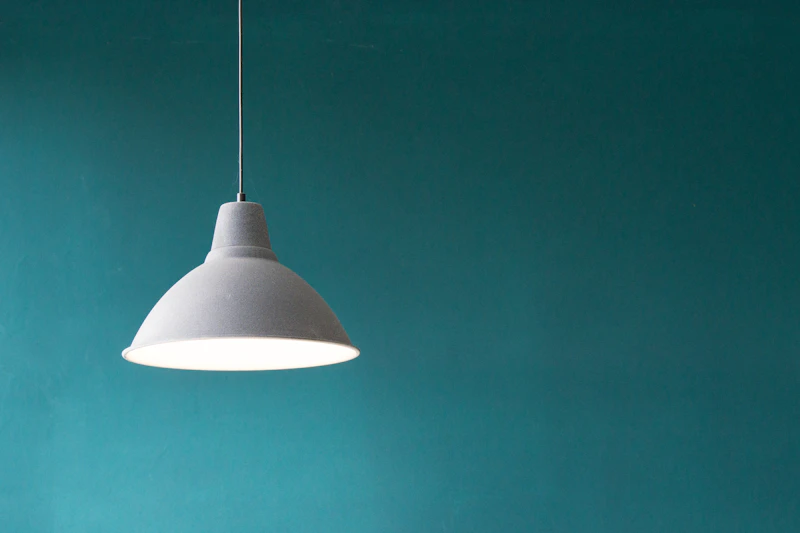
Lighting is the most impactful design element in any home. It affects mood, functionality, and how colors and textures are perceived. Good lighting design uses layers — ambient, task, and accent — to create a balanced, flexible space. Here is a room-by-room guide with actionable advice to transform every corner of your home.
Key Takeaways
- Use three layers of lighting: ambient (overhead), task (focused), and accent (dramatic)
- Choose warm bulbs at 2700K-3000K for cozy living spaces and bedrooms
- Install dimmer switches everywhere for total control over room mood
- Position pendants 30-36 inches above dining tables for optimal illumination
Living Room

The living room needs versatile lighting because it serves so many purposes — movie nights, reading, entertaining, and relaxing. Start with ambient light from overhead fixtures or recessed lights on a dimmer. Designers recommend installing dimmable recessed cans spaced 4 to 6 feet apart for even coverage. Add floor lamps for reading areas and table lamps for warm pools of light. Use accent lighting to highlight art or architectural features; a picture light aimed at a canvas or a track head pointed at a textured wall can completely change the feel of the room. Aim for at least three light sources at different heights — ceiling, mid-level sconces or table lamps, and floor-level uplights. The combination of heights creates depth and prevents harsh shadows.
Consider the color temperature carefully in your living room. Warm white bulbs at 2700K to 3000K create an inviting atmosphere that feels cozy in the evening. For multi-use spaces, install a smart switch system that lets you toggle between "daytime" bright settings and "evening" warm dim modes. Products like Philips Hue or Lutron Caseta make this effortless. A floor lamp with a three-way dimmer switch placed next to your favorite armchair gives you control over reading brightness without disturbing others. Don't forget about candles or flameless LED candles — they add the lowest, most intimate layer of light that no fixture can replicate.
Kitchen

Kitchens need bright, functional task lighting for food prep. Under-cabinet LED strips illuminate countertops without casting shadows from your body. Look for strips with a color rendering index (CRI) of 90 or above so ingredients look natural and true-to-color. A central pendant or track lighting provides ambient light, and many designers recommend multiple pendants over a kitchen island spaced 24 to 30 inches apart for even distribution. Dimmer switches allow you to lower the lights for dining or entertaining, instantly transitioning the kitchen from a workspace to a social hub.
Layered lighting matters most in the kitchen because it is both a workshop and a gathering place. Install puck lights inside glass-front cabinets to display heirloom dishware. Use toe-kick lighting along the base of cabinets to create a floating effect that adds drama at night while providing a subtle nightlight path. For the sink area — the kitchen's most-used workstation — place a dedicated pendant or recessed light directly above to eliminate shadows. Undercabinet lights with hardwired switches are best, but plug-in adhesive strips from brands like Barr Lighting offer a renter-friendly alternative. Always choose fixtures that are easy to clean, as kitchen lighting collects grease and dust faster than anywhere else in the home.
Bedroom

Bedrooms should feel calm and restful. Avoid harsh overhead lights whenever possible. Use bedside lamps or wall-mounted sconces for reading. Sconces should be mounted 48 to 54 inches above the floor for optimal bedside reading light. Add a dimmer to any ceiling fixture to control brightness as you wind down. Warm light bulbs at 2700K promote relaxation and better sleep by minimizing blue light exposure before bed, which research shows supports your natural circadian rhythm.
Think about each activity in your bedroom separately. For getting dressed, install a light in the closet or a directed fixture near the wardrobe. For late-night bathroom trips, consider a motion-sensor nightlight along the baseboard. For reading in bed, go with adjustable-arm sconces that let each person control their own light without disturbing their partner. A cove ceiling with indirect LED strips casting light upward creates a soft, cloud-like glow that makes the room feel larger and more serene. Don't place a ceiling fixture directly above the bed — it creates an unflattering downward shadow and feels institutional. Instead, offset the ceiling light toward the center of the room and let bedside fixtures handle the close-up work.
"Lighting is the most impactful design element in any home. It affects mood, functionality, and how colors and textures are perceived."
— Lighting Design Principle
Bathroom

Bathroom lighting needs to be both functional and flattering. Place sconces on either side of the mirror at eye level — roughly 60 to 66 inches from the floor — to eliminate shadows on the face. A single overhead fixture alone creates unflattering shadows under the brows and chin, which is why designers always recommend side lighting as the primary source. The overhead fixture should provide ambient fill light, not be the main source. Use cool white bulbs at 3000K to 3500K for accurate color rendering, which is essential for applying makeup or shaving.
A CRI of 90 or higher is non-negotiable in the bathroom. LED bulbs from brands like Cree or GE Reveal offer excellent color accuracy. In showers and wet areas, use sealed, moisture-rated fixtures marked "damp location" or "wet location" by UL listing. Heated towel racks with integrated lighting are a luxury touch that combines warmth and function. For the powder room or guest bath, a single sculptural pendant or a glamorous vanity fixture with exposed bulbs can serve as both the light source and the room's jewelry. Mirror-integrated LED lighting has become popular because it provides even, shadow-free illumination without requiring electrical work — ideal for bathroom renovations on a budget. Place the vanity light at least 75 to 80 inches above the floor for proper illumination across the full mirror.
Home Office

Good lighting in a home office reduces eye strain and boosts productivity. Position your desk perpendicular to windows to avoid glare on your screen. Sheer curtains or adjustable blinds help control natural light throughout the day. Use a quality task lamp with adjustable brightness and a flexible arm — the BenQ ScreenBar or the IKEA Tertial are excellent options at different price points. Ambient lighting should be soft and diffused, ideally from a ceiling fixture with a dimmer or a torchiere lamp that bounces light off the ceiling.
The 5000K to 6500K range mimics daylight and keeps you alert during work hours, but avoid this temperature after 6 p.m. because it can disrupt sleep. Many task lamps now offer multiple color temperature settings, allowing you to shift from cool focus during the day to warm relaxation in the evening. Bias lighting behind your monitor — a simple LED strip affixed to the back of the screen — reduces eye fatigue by balancing the contrast between the bright screen and the dark wall. Video call lighting is another consideration: place a small ring light or a desk lamp positioned slightly above eye level in front of you so your face is well-lit on camera. Software engineers and designers who spend 8 to 10 hours at their desks report significantly less eye strain when they implement layered office lighting with adjustable correlated color temperature (CCT) bulbs.
Dining Room

A chandelier or pendant light should hang 30 to 36 inches above the table. Measure from the tabletop to the bottom of the fixture for precise placement. Choose a fixture that is about half the width of the table — a 36-inch round table needs a fixture roughly 18 to 24 inches wide. A dimmer is essential for transitioning from bright meals to intimate dinners. Consider adding a buffet lamp or wall sconces for additional warmth, especially in darker corners of the room.
The dining room is where lighting makes its biggest theatrical impact. Linear suspension fixtures work beautifully over rectangular tables, while round pendants or chandeliers suit circular tables. For open-concept homes, the dining room fixture must also coordinate visually with the kitchen lighting. A statement chandelier with exposed bulbs in warm amber glass creates a romantic glow that flatters both food and faces. Install the dimmer switch at the entry point so you can adjust the mood before guests enter. Candle-style chandeliers with realistic flicker LED bulbs give the same ambiance as real candles without smoke or wax drips. For a formal dining room, consider a cove or crown molding with hidden LED strip lighting that washes the ceiling in a soft glow, complementing the pendant as the primary source.
Hallways and Entryways

These transition spaces benefit from warm, welcoming light. Wall sconces at eye level — 60 to 66 inches from the floor — create a sense of scale and guide the eye down the hallway. Space sconces 6 to 8 feet apart for even illumination. A pendant or semi-flush fixture in the entry makes a strong first impression; choose something with personality that hints at your home's style. Use dim bulbs or install a dimmer to keep the space cozy rather than harshly bright.
Entryway lighting sets the tone for your entire home. A drum shade pendant or a lantern-style fixture in brushed brass or matte black adds immediate character. In long hallways, install a three-way switch so you can turn lights on at one end and off at the other. Artwork in hallways benefits greatly from picture lights — small LED fixtures (many available for under $30 on Amazon) clip onto the frame and cast a focused beam. For staircases, place lights at every landing and at the top and bottom of the stairs for safety. Step lights recessed into the wall at 6 to 12 inches above each stair tread provide a stunning modern look while preventing trips. Designers often use a single dramatic pendant in a two-story entryway to draw the eye upward, making the space feel grand without overwhelming it.
Outdoor and Exterior Lighting
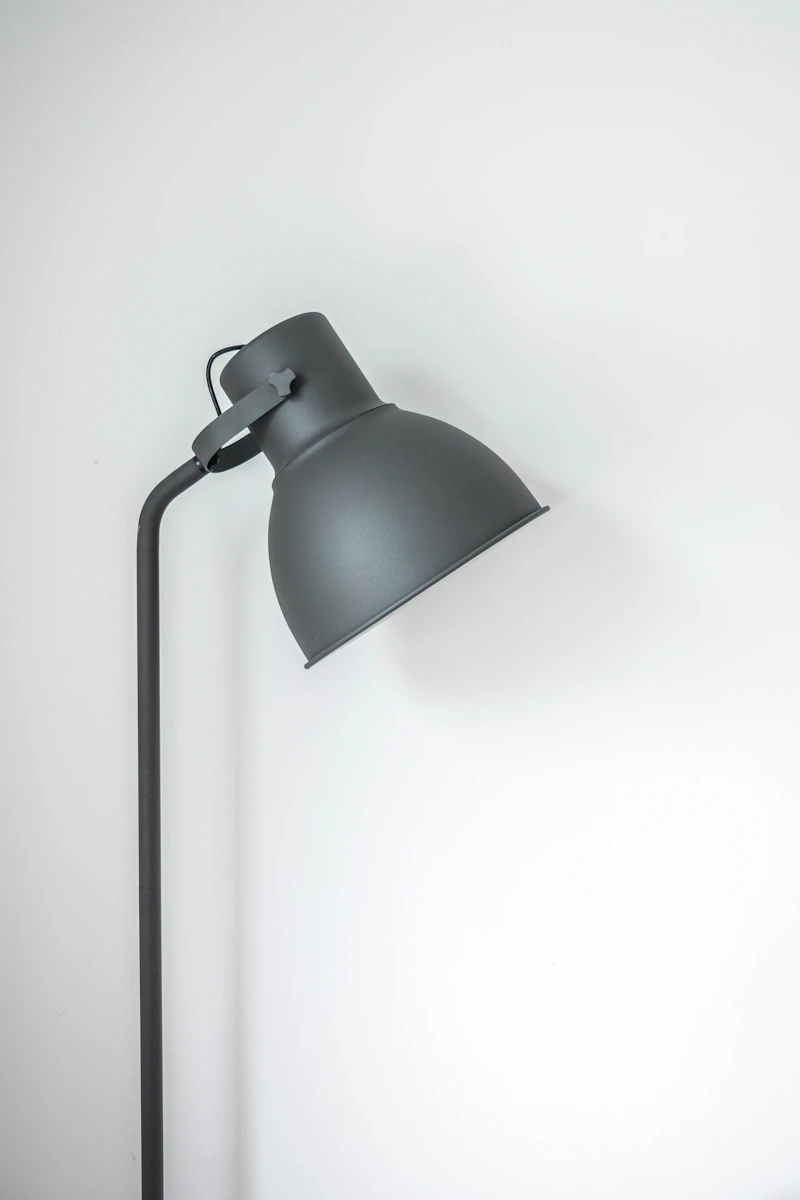
Outdoor lighting extends your living space and improves security. Start with path lights along walkways, spaced 6 to 8 feet apart, using warm 2700K LED bulbs to match the cozy feel of indoor lighting. Wall-mounted lanterns on either side of the garage door and front door create symmetry and a welcoming glow. Motion-sensor floodlights near entry points provide security without running up your electric bill. Solar-powered stake lights offer a zero-wiring option for garden beds and fence lines.
Think about outdoor lighting in layers just like indoor spaces. Ambient light comes from post lights or hanging pendants on a covered porch. Task light includes a grill light for cooking or a bright fixture over the outdoor dining table. Accent light is achieved with directional spotlights aimed at trees, architectural details, or water features. String lights draped across a patio or pergola add instant warmth and are one of the most inexpensive lighting upgrades you can make. Look for commercial-grade string lights with shatterproof bulbs if they will be exposed to weather year-round. A simple timer or smart plug can automate your outdoor lights to turn on at dusk and off at bedtime, saving energy while ensuring you never come home to a dark house.
Hardscape lighting integrated into retaining walls, steps, and patio edges provides subtle safety illumination that also adds dramatic texture to your landscape. Low-voltage LED systems are safe to install yourself and consume minimal electricity. Uplighting a mature tree from its base creates a stunning focal point visible from inside the house. For water features like ponds or fountains, submersible LED lights in cool blue or warm white transform the water into a shimmering nighttime display. Always use fixtures rated for outdoor wet locations and consider hiring an electrician for any hardwired installations to ensure code compliance.
Choosing the Right Bulbs and Fixtures

Not all bulbs are created equal, and the wrong choice can ruin even the best lighting plan. Lumens measure brightness — for a living room, aim for 1,500 to 3,000 lumens total from all sources. A standard 800-lumen LED bulb (equivalent to a 60W incandescent) works well for most table and floor lamps. Color temperature, measured in Kelvin (K), ranges from warm (2200K-2700K) for cozy spaces to cool (3500K-5000K) for task-oriented rooms. The CRI rating tells you how accurately colors appear under the light — always choose 90 CRI or above for living spaces.
Fixture style matters as much as bulb specs. A shade directs light where you want it — opaque shades cast light up and down, translucent shades diffuse it in all directions, and metal shades focus it into a tight beam. Drum shades are versatile and work in almost any room. Cone-shaped pendants direct light downward onto a table or counter. For bathrooms and kitchens where moisture is present, look for fixtures with damp or wet location ratings. The finish of the fixture — brushed nickel, matte black, brass, chrome — should coordinate with your hardware and furniture. Designers often use a mix of finishes intentionally, but limiting yourself to two or three metal finishes across your home creates a cohesive, curated look. Remember that a dimmer switch is the single most cost-effective upgrade you can make; it extends bulb life, saves energy, and gives you total control over the mood of every room.
"Great lighting design is about layers and flexibility. Every room should have at least three sources of light on separate controls."
— Designer Tip
Final Thoughts

Great lighting design is about layers and flexibility. Every room should have at least three sources of light on separate controls — ambient for general visibility, task for specific activities, and accent for drama and personality. Choose the right color temperature for each space, invest in high-CRI bulbs for accuracy, and never underestimate the power of a dimmer switch. Start with one room, experiment with placement and brightness, and build your lighting scheme over time. When you get it right, you will notice the difference immediately — rooms feel bigger, colors look richer, and your home becomes more comfortable and functional at every hour of the day.